
A Pretty Website Won't Fill Your Caseload. Here's What Will.
Let me just say the quiet part out loud: you can have the most beautiful therapy website on the internet and still have an empty calendar. I know because I've seen it happen. A lot.
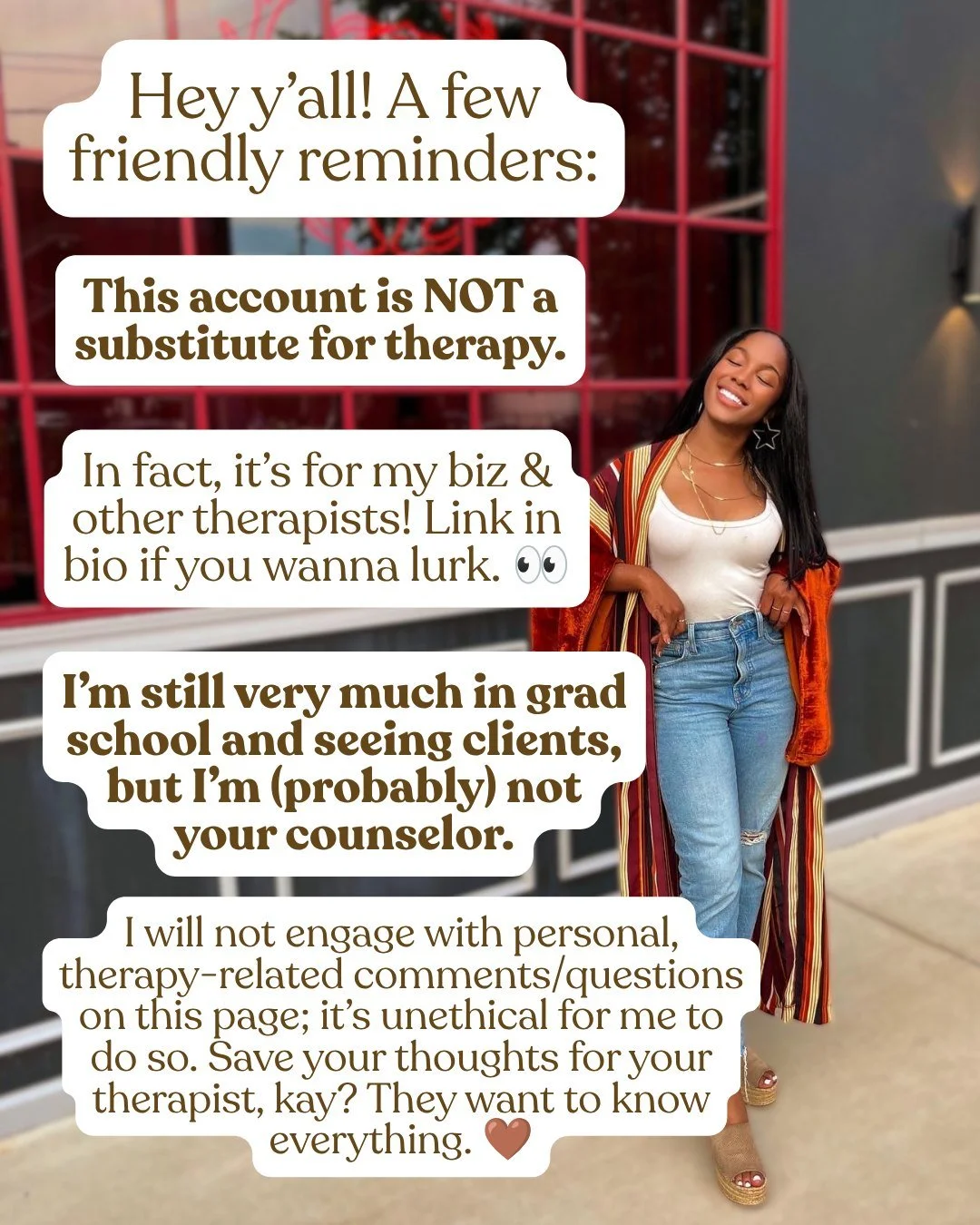
I'm Ashley, former corporate marketing leader, current grad student working toward my LPC (not a therapist, not pre-licensed, just someone with one foot firmly in each world) — and before I started building websites for therapists, I spent years running the kind of marketing tactics that, honestly, I wasn't always proud of.
Fake urgency. Manufactured scarcity. Funnels designed to wear people down until they convert. I hated them. And I was really, really good at them.
So when I left that world to start building for therapists, I knew exactly what NOT to bring with me. And I knew something else too: the tactics that fill a caseload sustainably look nothing like what most marketing "gurus" are selling you.
Here's what actually works.
First, Let's Talk About What Doesn't
A pretty website gets attention. That's real. Good design matters! It signals professionalism, builds trust, and makes someone feel safe enough to keep reading.
But design alone doesn't get clients. Clarity does.
If someone lands on your homepage and leaves without knowing exactly who you help, what it's like to work with you, and what to do next — you've lost them. Not because your site was ugly. Because it wasn't talking to anyone in particular.
"Discover Your Path to Peace & Renewal" could belong to any therapist, any practice, anywhere. And when your website sounds like everyone else's, the person who needs you specifically has no way of knowing they found the right place.
What Actually Keeps a Caseload Full
1. Copy that speaks to one specific person.
Not "individuals navigating life's challenges." Not "a warm, supportive space for healing and growth."
The person you want to work with. The one who's lying awake at 2am googling whether what they're feeling is normal. The new parent who hasn't felt like themselves in months. The high-achiever who has everything together on the outside and nothing together on the inside.
Write to that person. Use their words. Describe their experience before they have to explain it to you. When the right person reads your website and thinks "how did she know?" — that's when you get the inquiry.
2. A homepage that answers the question they're actually asking.
Your potential clients aren't coming to your website to learn about your theoretical orientation. They're coming with one question: is this person right for me?
Your homepage's job is to answer that as fast as possible. Who you help. What that help looks like. Why you and not the ten other therapists in their search results. Everything else is secondary.
3. A next step that feels like an invitation, not a form.
This one is so simple and so often missed. The way you ask someone to reach out matters. "Submit inquiry" feels like a transaction. "Let's talk about whether this is a good fit" feels like a conversation.
Therapists who fill their caseloads aren't just visible; they're approachable. The language around your contact form, your booking button, your CTA… all of it either invites or discourages. Make it feel like the beginning of a relationship, not a bureaucratic process.
The Bigger Picture
Getting more therapy clients isn't really about marketing tricks. It's about being specific enough that the right people recognize themselves in your work, clear enough that they know what to do next, and trustworthy enough that reaching out feels safe.
That's it. That's the whole game.
Design gets attention. Clarity gets clients. And a website that does both — one that actually sounds like you, speaks directly to the people you're meant to serve, and makes the next step feel easy — that's what fills a caseload and keeps it full.
Not fake urgency. Not manufactured scarcity. Just the right words, in the right place, for the right person.
Ashley Rhoden is a former corporate marketing leader turned strategist and website designer who works with therapists and private practice owners ready to stop being invisible online. She's also a grad student in a counseling program — not a therapist, not pre-licensed, just someone who understands this world from both the marketing side and the inside of a counseling program, and brings both to every website she builds.
Work with her to build a website that’s as unique as your sessions are. →