
You Didn't Become a Therapist to Also Become a Brand. But Here We Are.
Let's just say it: nobody goes through years of grad school, supervised hours, and licensure exams thinking "and then I'll spend my weekends figuring out why my website isn't converting." You became a therapist to help people. That's it. That's the whole thing.
And yet — here you are, googling "website design for therapists" at some point between sessions, probably a little frustrated, maybe a little overwhelmed, wondering why building a private practice feels like it requires a marketing degree on top of everything else.
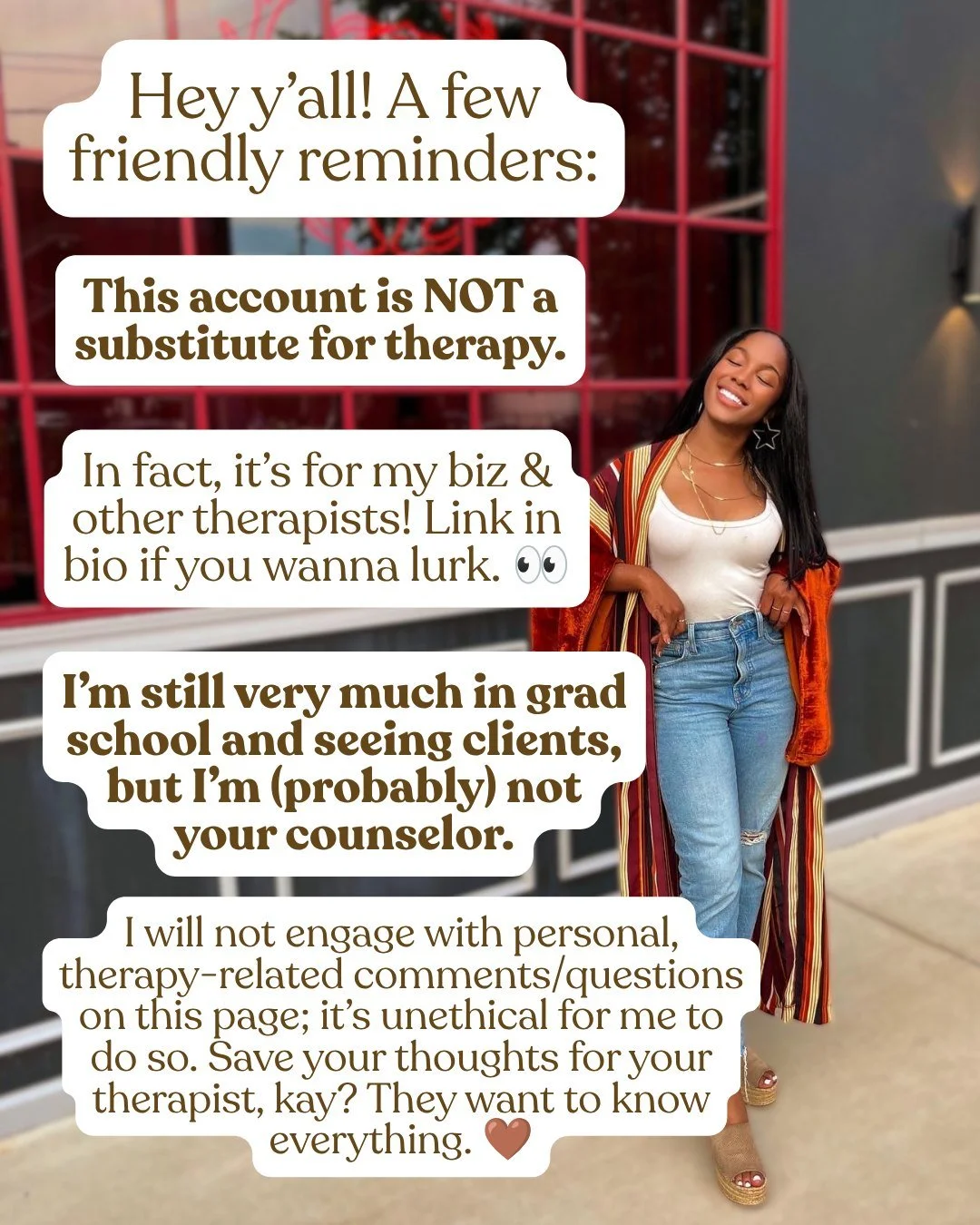
I say this with genuine understanding, not just professional empathy: I spent years as a marketing leader before going out on my own, and I'm currently a grad student in a counseling program, working toward becoming an LPC someday. I am not a therapist, not pre-licensed, not anywhere close to practicing — just someone who has been deep in the marketing world and is now also sitting in the thick of the coursework, reading the same literature, and feeling the weight of what this field actually asks of people. So when I say I get it, I mean it from both sides.
It's a lot. I know.
But here's the thing I need you to sit with for a second: your future clients are out there right now, actively looking for someone like you. Not passively. Actively. And if your website isn't doing its job, they're going to find someone else — not because that someone else is better, but because they were easier to find.
That's the part that stings a little. So let's talk about it.
The Demand Is Real (And It's Only Going Up)
In 2024, 62 million U.S. adults experienced a mental illness. The average wait time to see a provider? 48 days. (Source: SAMHSA/HRSA, 2025)
That's not a niche market. That's a crisis — and you're one of the people equipped to help.
Meanwhile, early-career therapists can't afford to sit around waiting for referrals to trickle in. And seasoned therapists? Many are still losing roughly 30% of their income to insurance reimbursements, which makes building a strong private pay caseload not just appealing but genuinely necessary. (Source: Heard, 2025; ACA, 2024)
Clients are searching. The question is whether they can find you when they do.
What Your Website Is Actually Doing (Or Not Doing)
Here's where I want to be honest with you, because I think you deserve that more than you deserve a sales pitch.
A bad website — or no website — isn't just a missed opportunity. It's actively working against you. When someone finds your name and lands on a site that's confusing, outdated, or just... vibes-less, they don't think "I'll give them a call anyway." They hit the back button. They move on. They find a therapist whose website made them feel something.
And a good website? It's not about being flashy. It's not about having the most expensive design or the prettiest color palette. It's about clarity. It's about helping the right person land on your page and immediately think oh, this is for me.
That's the job. Make the right person feel seen before they've even booked a consult.
What Good Website Design Actually Does for Your Practice
Let's make this concrete, because "good design" can feel abstract when you're staring at a blank Squarespace template at 10pm.
It builds trust before you ever speak. Clients in mental health are making a vulnerable decision when they reach out to a therapist. Your website is often the first place they decide whether they feel safe with you. Typography, tone, imagery, layout… all of it communicates something before a single word is read.
It tells the right people they're in the right place. If you specialize in anxiety, trauma, or working with a specific population, your website should make that unmistakably clear. Niche clarity isn't limiting; it's actually what makes the right clients feel found.
It removes friction. The biggest conversion killer on most therapist websites isn't the design, it's the confusion. Too many options. Unclear next steps. A "contact me" form buried three clicks deep. Good design makes it easy to say yes.
It works while you're in session. You can't be everywhere. Your website can. While you're doing the actual work of therapy, your site is out there, building trust, answering questions, and nudging the right people toward booking.
You Shouldn't Have to Figure This Out Alone
Here's my honest take: you're not bad at marketing. You just weren't trained for it, and you're being asked to do it anyway, on top of everything else that goes into running a practice.
That's not a personal failure. That's just the reality of private practice in 2025, and it's why having the right support matters.
A website designed specifically for therapists — not a generic template, not a DIY build that took you three weekends — can be the thing that finally makes your online presence feel like you. Clear. Trustworthy. Ready for the clients you actually want to work with.
Your future clients are looking. Let's make sure they can find you.
Ashley Rhoden is a former marketing leader turned strategist and website designer who works with therapists and private practice owners ready to stop being invisible online. She's also a grad student in a counseling program — not a therapist, not pre-licensed, just someone who understands this world from both the marketing side and the inside of a counseling program, and brings both to every website she builds.
Work with her to build a website that’s as unique as your sessions are. →
SOURCES
Health Resources & Services Administration (HRSA). State of the Behavioral Health Workforce, 2025. U.S. Department of Health and Human Services. https://bhw.hrsa.gov/sites/default/files/bureau-health-workforce/data-research/Behavioral-Health-Workforce-Brief-2025.pdf
Heard. 2026 Financial State of Private Practice Report (surveying 2025 data). https://www.joinheard.com/resources/downloads/the-heard-2026-financial-state-of-private-practice-report